Regulatory Adaptations Shaping Loyalty Structures Across Remote Gaming Platforms
Written by Cameron Krause · Oct 10, 2026
Regulatory Adaptations Shaping Loyalty Structures Across Remote Gaming Platforms
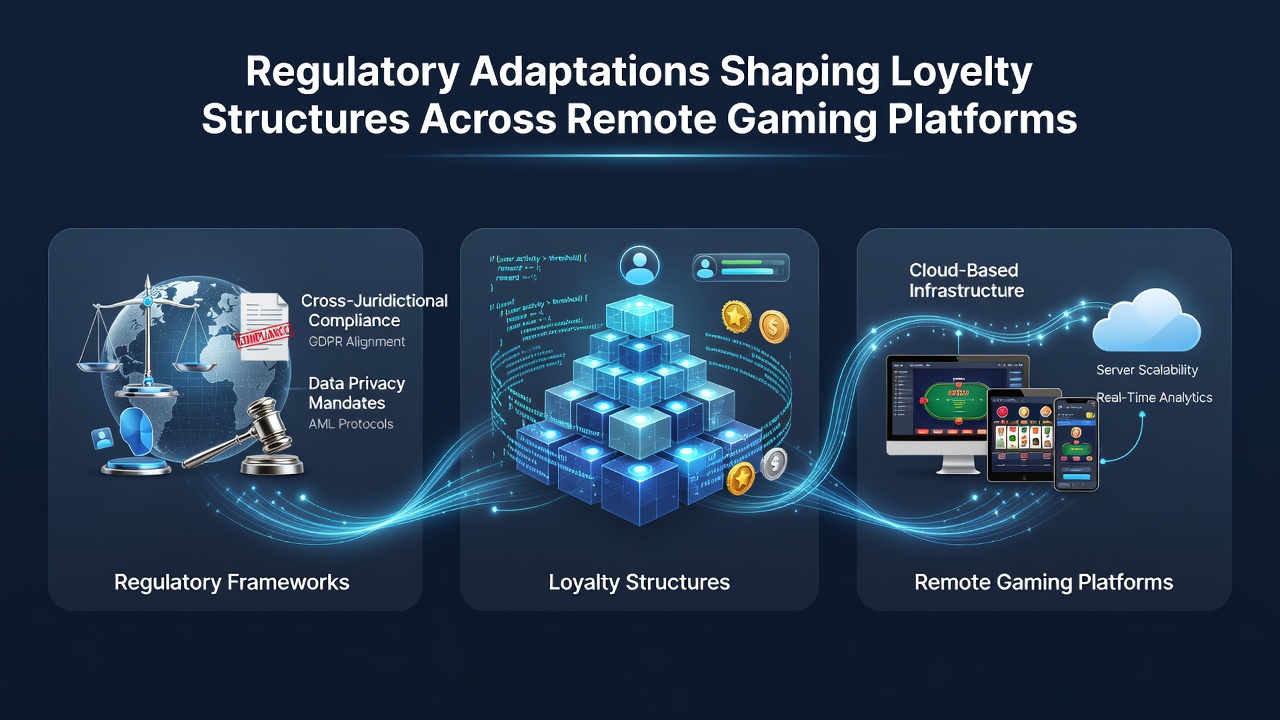
Regulatory frameworks continue to evolve across multiple jurisdictions, and these shifts directly influence how remote gaming platforms design and maintain their loyalty structures. Platforms must adjust point accumulation systems, tiered rewards, and personalized offers to align with new compliance mandates while preserving player engagement metrics. Data from industry reports shows that operators in regulated markets have modified VIP progression rules to incorporate mandatory responsible gambling checks at specific reward thresholds.
Changes in data protection laws affect how platforms collect and use player information for loyalty personalization. European operators, for instance, have integrated stricter consent mechanisms following updates to digital privacy standards, which in turn limits the granularity of targeted bonus structures. Observers note that these adaptations often result in broader reward categories rather than highly individualized offers, since platforms seek to avoid potential violations during audits.
Regional Regulatory Pressures and Loyalty Adjustments
North American markets present a patchwork of state and provincial rules that reshape loyalty mechanics differently depending on location. In jurisdictions where online gaming expanded recently, regulators require platforms to separate promotional credits from deposit funds in player accounts, which influences how loyalty points convert into playable rewards. Platforms operating across multiple states have introduced geo-specific loyalty tiers to satisfy varying responsible gaming contribution limits on reward redemptions.
Australian regulatory bodies have introduced mandatory harm minimization features that cap the rate at which loyalty points can accumulate during extended sessions. These caps tie directly into session monitoring tools, so platforms now display real-time point earnings alongside expenditure trackers. Research from academic institutions indicates that such integrations have prompted operators to redesign their VIP clubs around longer-term engagement rather than short-term volume incentives.
Compliance-Driven Modifications to Reward Mechanics
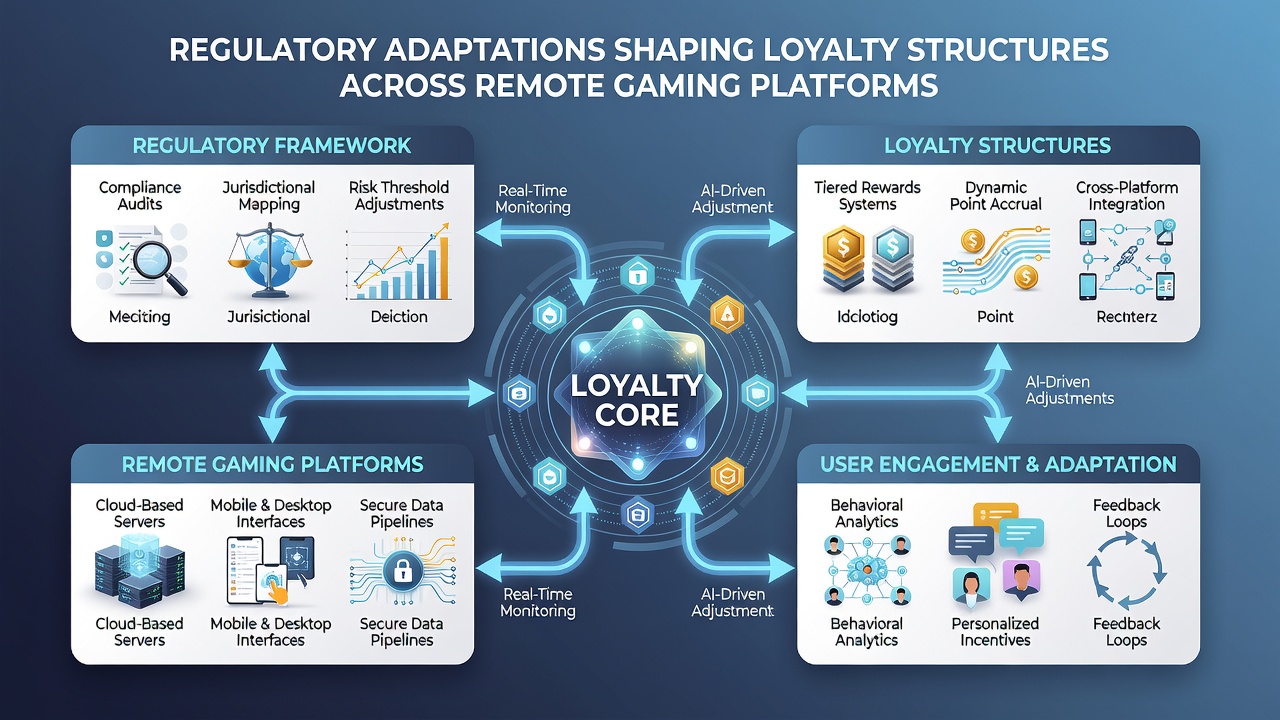
Anti-money laundering requirements have forced platforms to implement additional verification layers before releasing high-value loyalty redemptions. Players reaching certain point milestones must complete enhanced due diligence, and operators have responded by creating intermediate reward categories that unlock smaller benefits without triggering full review processes. This approach maintains engagement flow while satisfying transaction reporting obligations across borders.
October 2026 marks the scheduled implementation date for several updated cross-jurisdictional standards that will further standardize loyalty data handling. Platforms are already testing modular loyalty engines capable of applying different rule sets based on player location, which allows a single account to function under multiple regulatory regimes without structural conflicts. Industry associations report that these technical preparations have increased development budgets allocated to loyalty infrastructure by measurable percentages in the preceding quarters.
Impact on Player Progression and Retention Systems
Age verification and self-exclusion registries now integrate directly with loyalty databases in many markets. When a player enters a self-exclusion period, accrued points often enter a suspended state rather than disappearing entirely, and platforms must maintain records that satisfy both privacy and audit requirements. Those who have studied these systems observe that retention strategies have shifted toward non-monetary recognition elements, such as status badges or community features, to sustain engagement during periods when financial rewards face temporary restrictions.
Canadian provincial frameworks emphasize transparency in how loyalty programs disclose odds and contribution rates toward rewards. Operators have responded by publishing detailed breakdowns within their loyalty portals, which has led to simplified point structures that players can more easily understand. Figures from regulatory submissions reveal that platforms adopting clearer communication have maintained steady active user counts despite the added compliance layers.
Future Trajectories in Regulated Loyalty Design
Emerging rules around artificial intelligence usage in player segmentation will likely influence how platforms generate personalized loyalty pathways. Regulators in several regions have begun requiring explainability for algorithmic decisions that affect reward eligibility, prompting developers to create auditable models for point distribution and tier advancement. Platforms that have already begun mapping these processes report smoother transitions when new oversight measures take effect.
Cross-border licensing agreements continue to standardize certain loyalty safeguards, particularly around bonus wagering contributions from table games versus slots. These agreements reduce the administrative burden for multi-jurisdiction operators while still preserving local responsible gaming thresholds. Data compiled by research organizations shows consistent patterns where aligned standards correlate with more stable loyalty program participation rates over time.
Conclusion
Regulatory adaptations continue to drive structural changes in remote gaming loyalty programs, with platforms responding through technical modifications, segmented reward systems, and enhanced transparency features. As October 2026 approaches and new compliance layers activate, operators maintain focus on balancing regulatory obligations with engagement mechanisms that function across diverse markets. The resulting loyalty structures reflect ongoing coordination between technological capability and jurisdictional requirements, producing systems that accommodate verification processes and responsible gaming tools while still delivering recognizable value to participants.