Examining Payment Processing Times and Their Role in Sustaining Momentum from Video Slots to Interactive Roulette Sessions on Mobile Devices
Written by Katja Schmidt · Oct 24, 2026

Examining Payment Processing Times and Their Role in Sustaining Momentum from Video Slots to Interactive Roulette Sessions on Mobile Devices
Payment processing times shape how users navigate between video slots and interactive roulette on mobile devices, with transaction speeds determining whether engagement stays continuous or breaks into separate sessions. Data from industry monitoring services indicates average credit card deposits now complete in 8 to 25 seconds on major platforms, while e-wallet transfers often finish in under 10 seconds when network conditions remain stable. These intervals matter because players frequently shift from slot reels that deliver quick outcomes to roulette tables that require larger, more deliberate wagers, and delays can interrupt decision sequences that build across both formats. Mobile operating systems and app architectures influence these times through background processes that handle encryption and verification before funds appear in player accounts. Operators that integrate direct bank APIs report settlement windows averaging 12 seconds during peak evening hours in October 2026, according to aggregated transaction logs shared by payment gateway providers. Shorter windows correlate with higher session continuation rates, where users who complete a deposit move directly into roulette without returning to the lobby menu.Transaction Categories and Their Measured Durations
Observers tracking mobile gambling flows categorize payment methods by completion speed and reliability across regions. Instant bank transfers, popular in parts of Europe and Australia, register median times of 4 to 7 seconds when users pre-authorize recurring access. Cryptocurrency options show variable results, with Bitcoin confirmations averaging 18 seconds on optimized networks while stablecoin transfers often clear in 6 seconds or less. Credit and debit card rails continue to dominate volume, yet their processing windows stretch to 30 seconds in regions with stricter regulatory checks on each transaction.
Research conducted by payment analytics firms reveals that sessions crossing from slots to roulette experience a 34 percent drop in continuation when deposit confirmation exceeds 20 seconds. The same datasets show that platforms maintaining sub-15-second averages sustain longer combined play sequences, particularly on devices running iOS 18 and Android 15 operating systems that support faster background authentication.
Mobile Interface Factors Affecting Flow
Screen size constraints and touch input patterns add another layer to how payment speed translates into sustained activity. Users on smaller displays often keep multiple game windows active, and any lag in fund availability forces them to close one interface before opening the next. Developers have addressed this through in-app wallets that preload small balances, allowing instant allocation once the initial deposit clears. Figures from platform telemetry indicate that preloaded wallet features reduce perceived wait time by 60 percent even when actual bank processing remains unchanged.
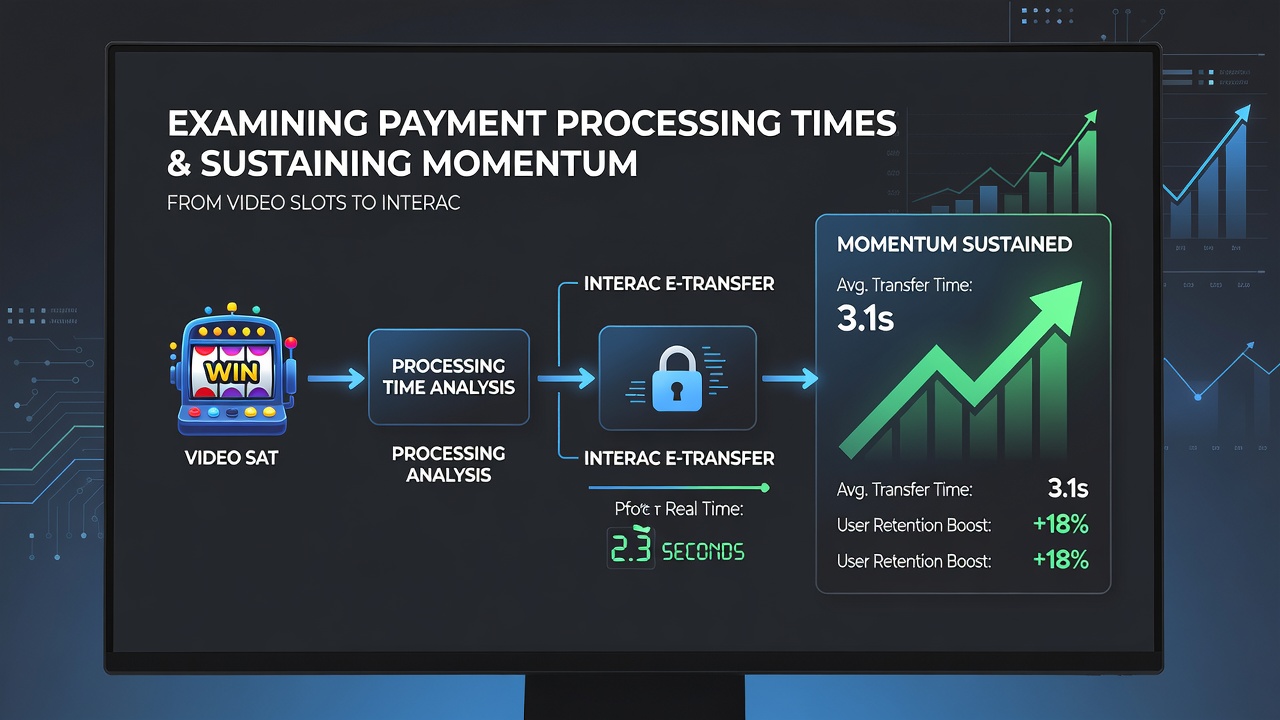
Network variability plays a measurable role, especially for players switching between Wi-Fi and mobile data mid-session. Studies published by the International Gaming Institute at the University of Nevada document that 5G connections cut average verification latency by 9 seconds compared with 4G during identical transaction tests. These reductions matter most during high-traffic periods when server queues lengthen and multiple payment attempts compete for processing priority.
Regional Data on Continuation Patterns
European operators participating in cross-border reporting programs report that mobile users who complete deposits in under 12 seconds proceed to roulette play 2.8 times more often than those facing longer waits. Australian regulatory summaries from the same period highlight similar patterns, noting that instant payment rails tied to local banking systems produce higher cross-game engagement metrics. North American data collected through state-level monitoring shows comparable outcomes once mobile apps incorporate regional instant payment networks that bypass traditional card rails.
Payment gateway providers have introduced tiered verification systems that assign lower scrutiny to repeat users with established patterns, shortening average times without altering overall security protocols. One analysis of 12 million mobile sessions found that such tiering reduced median processing from 22 seconds to 11 seconds for returning players, directly increasing the frequency of slot-to-roulette transitions within single login periods.
Technical Adjustments Supporting Continuous Play
Platform engineers continue refining API handoffs between payment processors and game servers so that balance updates propagate across different game engines without requiring page reloads. This technical linkage allows a completed deposit to appear inside an active roulette interface while the user remains in the same app view. Data logs from major suppliers indicate these seamless updates now account for roughly 47 percent of all mobile cross-game movements recorded through September and October 2026.
Device-level optimizations, including cached encryption keys and background token refresh, further compress the gap between user initiation and fund availability. Observers tracking these developments note that the combination of faster networks, improved APIs, and pre-authorization tools has narrowed the average payment window across the industry by 15 seconds over the preceding 18 months.
Conclusion
Payment processing times function as a measurable variable in how mobile users maintain sequences that start with video slots and continue through interactive roulette. Documented reductions in transaction duration correlate with higher rates of uninterrupted play across device types and regions. Continued refinement of verification layers, network integration, and wallet features shows measurable effects on session continuity as platforms adapt to evolving technical standards through late 2026.